Blog
The Complete Guide to Aquamarine Gemstones

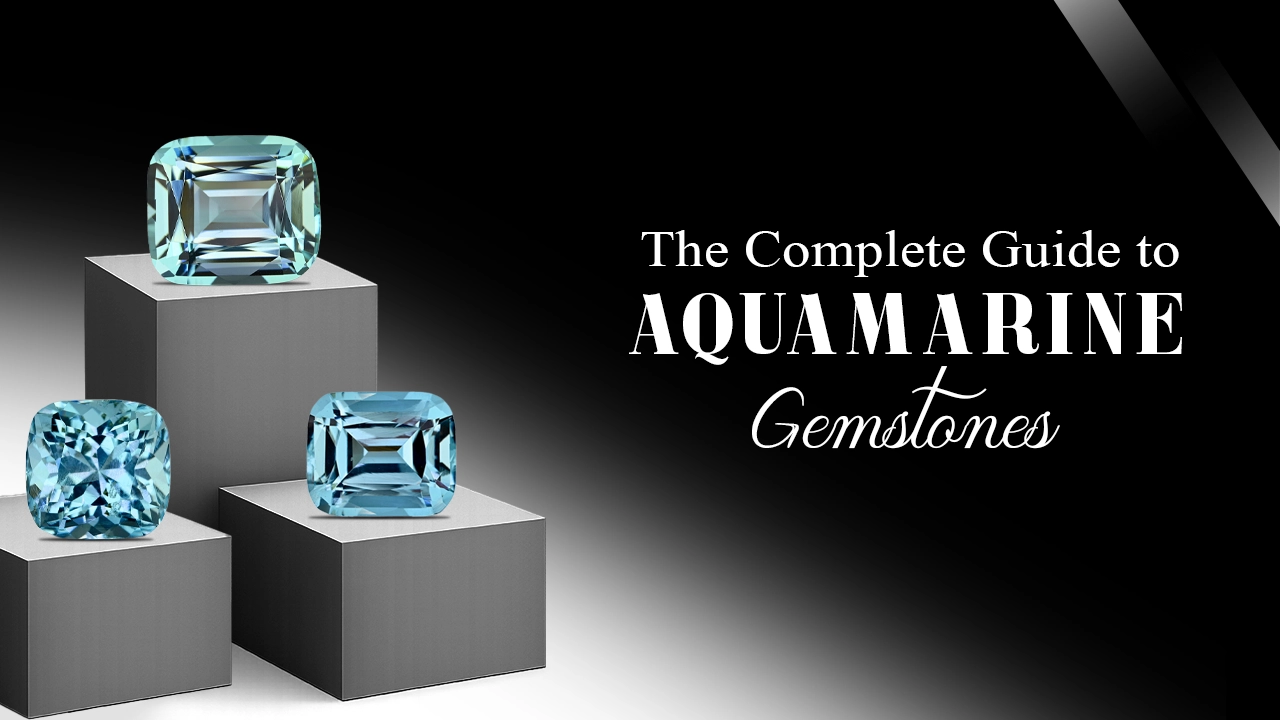
What Is Aquamarine, Really?
Walk into any gem shop and you’ll see it. That calm blue. Soft, clean, almost quiet. Aquamarine doesn’t try too hard. It doesn’t scream like ruby or glow like neon tourmaline. It sits there… confident.
The name comes from Latin. Aqua marina. Water of the sea. And honestly, that’s the best description anyone ever gave it.
But aquamarine isn’t just “a blue stone.” It’s part of the Beryl family, the same group that gives us emerald and morganite. Same structure. Same mineral DNA. Completely different personality.
What makes aquamarine stand out is its clarity. Most stones are clean. Not “pretty clean.” Actually clean. Like glass that forgot it was supposed to have flaws. That alone puts it in a different category from many other gemstones.
And then there’s the feeling. Hard to explain, but collectors know it. Aquamarine has a kind of stillness to it. You look into it and nothing feels rushed.
Why Aquamarine Has That Ocean-Blue Color
Color in gemstones is rarely random. There’s always a reason.
In aquamarine, that blue comes from traces of iron inside the crystal structure. Tiny amounts. Barely there. But enough to shift the entire stone into those pale sky tones or deeper ocean blues.
Here’s where it gets interesting.
Most aquamarine you see on the market has been heat treated. Not in a shady way. It’s standard practice. Heating removes greenish tones and pushes the color toward a cleaner blue. What you end up with is that crisp, icy shade people love.
Natural, unheated stones? They often carry a slight green hint. Some collectors actually prefer that. It feels more honest. More geological. Less “perfect.”
So when you’re looking at aquamarine, you’re not just seeing color. You’re seeing chemistry, temperature, and time all layered into one quiet surface.
A Quick Look at Aquamarine’s Properties
Not everything about a gemstone is emotional. Some of it is just facts. But even the facts tell a story.
Aquamarine ranks 7.5 to 8 on the Mohs hardness scale. That means it’s durable enough for everyday wear, but not invincible. It can still scratch if you treat it carelessly.
It forms in a hexagonal crystal system. Long, clean columns. Sharp edges. Sometimes perfectly transparent from one end to the other.
Compared to other gemstones, aquamarine has relatively low inclusions. That’s why large stones don’t look cloudy. You can find pieces weighing hundreds of carats that still look clear. That’s rare in the gem world.
It’s also less dense than many stones, which gives it that lighter, more “open” look when cut.
All of this combined creates something unique. A gemstone that feels both delicate and strong at the same time.
Where Aquamarine Is Found Around the World
Not all aquamarine is equal. Location matters. A lot.
The most important source? Brazil. For decades, Brazil has produced some of the cleanest, most consistent aquamarine in the world. Large crystals. Good color. Reliable supply.
Then you have Pakistan. Specifically the mountains of Gilgit Baltistan. High altitude. Hard conditions. But the reward is something else entirely. Crystals with incredible transparency and sharp formation. Pieces that collectors chase, not just buyers.
Afghanistan also produces remarkable material. Often similar in character to Pakistani stones. Clean, elegant, and sometimes with a slightly softer tone.
From Africa, Nigeria and Madagascar offer stones with deeper saturation. Sometimes richer. Sometimes slightly more included. But still very desirable.
Each region leaves its fingerprint. Subtle differences in color, structure, and overall feel. Once you’ve seen enough, you can almost guess where a stone came from just by looking at it.
How Aquamarine Forms Inside the Earth
This is where it stops being jewelry and starts being geology.
Aquamarine forms in pegmatites. These are coarse-grained igneous rocks that develop in the final stages of magma cooling. Think of them as nature’s slow-cooking chambers. Everything moves slowly. Crystals have time to grow properly.
Inside these environments, elements like beryllium, aluminum, and silica come together under very specific conditions. Add trace iron… and you get aquamarine.
What makes pegmatites special is space. There’s room for crystals to grow without interruption. That’s why aquamarine crystals can reach insane sizes. Clean. Structured. Sometimes perfectly terminated.
And it takes time. A lot of it. Thousands. Millions of years. No shortcuts.
So when someone holds an aquamarine, they’re holding something that formed slowly, quietly, and without any intention of being found.
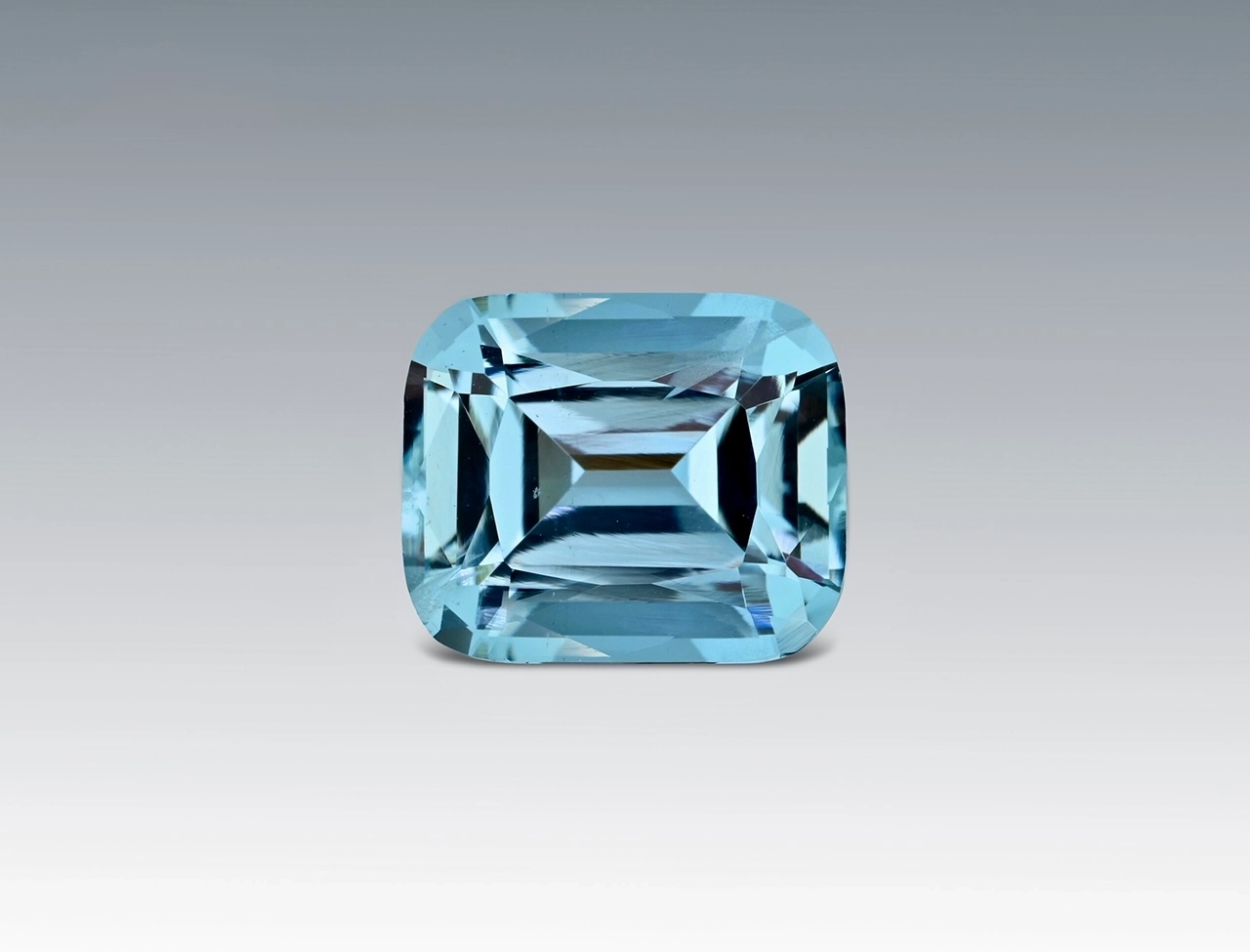
There’s something about aquamarine that doesn’t behave like other stones.
It doesn’t rely on brilliance like diamonds.
It doesn’t rely on intensity like sapphires.
It’s about transparency. Calmness. Space.
Light doesn’t bounce aggressively inside it. It travels through it. That creates a softer kind of beauty. One that feels more natural, less engineered.
That’s why larger aquamarines often look better than small ones. The more space light has to move, the more the stone comes alive.
It’s subtle. But once you notice it, you can’t unsee it.
Setting the Foundation: What Actually Drives Value
Before getting into pricing and buying, there’s a base you need to understand.
Aquamarine value comes down to four things:
- Color
- Clarity
- Size
- Cut
But unlike other gemstones, these factors behave differently here.
Clarity is almost expected. So it doesn’t drive price as aggressively.
Size is more available than in most gems. So large doesn’t always mean rare.
Which leaves one thing at the top.
Color.
Not just blue. The right blue.
That’s where the real difference starts.
How to Judge Aquamarine Quality Like an Expert
Most people think they can judge a gemstone in seconds. Quick look. Nice color. Clean. Done.
Aquamarine doesn’t work like that.
It’s deceptive. It looks simple. But the difference between a $200 stone and a $10,000 one is usually hidden in details most people miss.
You don’t judge aquamarine with excitement. You judge it with patience.
You slow down. You look longer than feels necessary.
That’s where the truth shows up.
Color: The One Thing That Actually Matters
Forget everything else for a second.
Color is king here. Not size. Not clarity. Color.
But not just “blue.”
The best aquamarine sits in a very specific range. A strong, clean blue. Not too pale. Not too dark. No muddy tones. No grey mask sitting on top of the color.
There’s a moment when you look at a stone and it feels… alive. That’s the one.
Most aquamarine on the market is light. Very light. Almost watery. That’s why prices vary so much. Deep, saturated stones are simply harder to find.
And then there’s something subtle. Tone consistency.
A high-quality aquamarine doesn’t shift awkwardly under light. It holds itself together. From every angle.
That stability is rare. And expensive.
Clarity: Why “Too Clean” Is Actually Normal
In most gemstones, inclusions are expected. Even accepted.
In aquamarine, they’re almost a flaw.
Because the material naturally forms so clean, the market expects transparency. High clarity isn’t a luxury here. It’s the baseline.
That’s why eye-clean stones don’t automatically mean high value. They’re just… standard.
What matters more is how clean it feels.
Is the stone open? Bright? Does light pass through without interruption?
Or does it feel slightly sleepy, even if technically clean?
There’s a difference. Subtle, but real.
Cut: Where Most Stones Lose Their Potential
Here’s something most buyers don’t realize.
Aquamarine is often poorly cut.
Why? Because cutters try to preserve weight. The rough is valuable. So instead of shaping the stone for beauty, they shape it to keep carats.
Result?
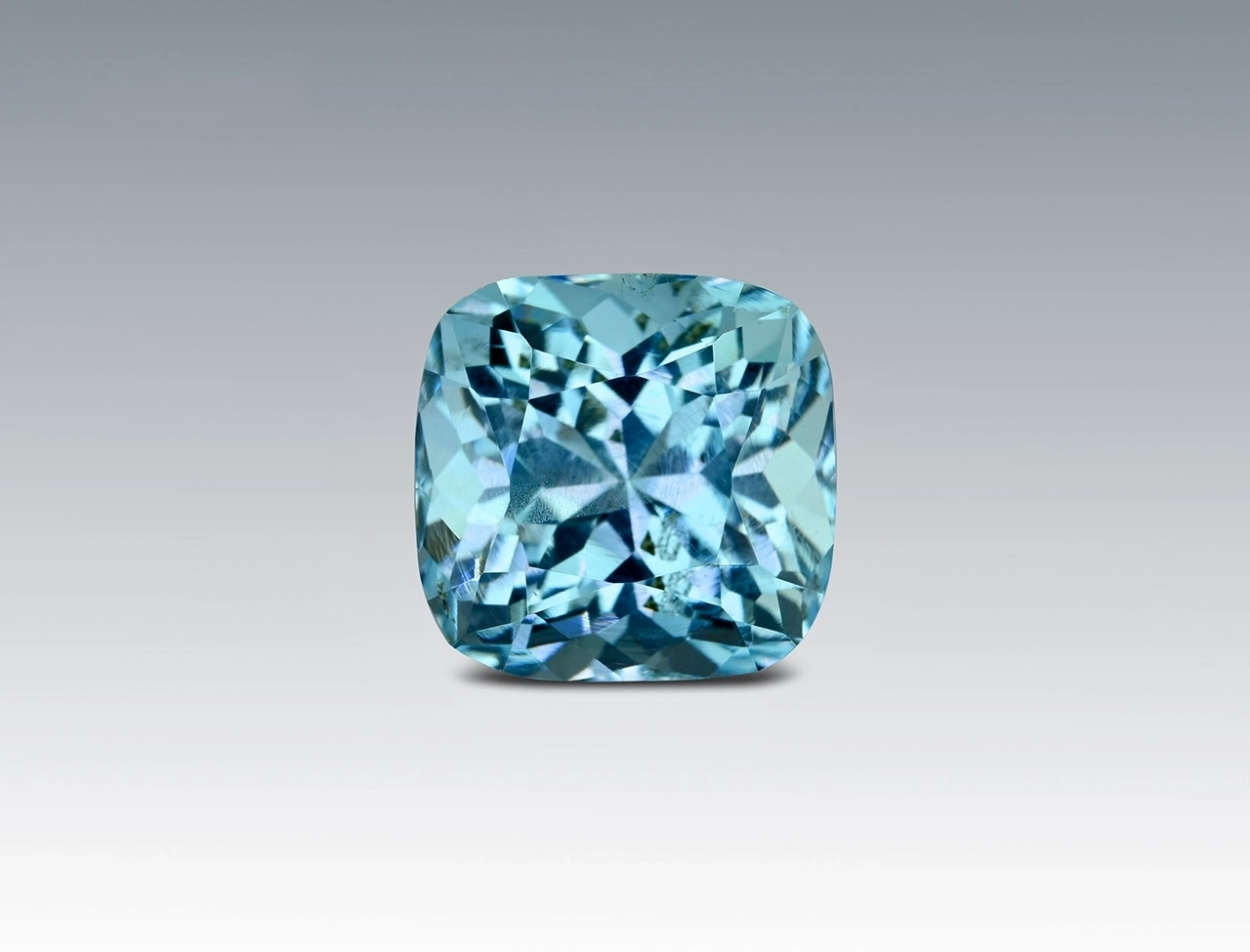
Stones that look flat. Lifeless. Windowed in the center. Light goes in… and disappears.
A well-cut aquamarine does the opposite. It controls light. Guides it. Gives it a path.
Emerald cuts, long step cuts, and clean geometric shapes usually work best. They respect the crystal’s natural structure.
When cut properly, aquamarine doesn’t sparkle aggressively. It glows.
And that glow… is where the magic is.
Carat Weight: Bigger Isn’t Always Better
This is where aquamarine flips the script.
In many gemstones, size drives price aggressively. Bigger = rarer.
Not here.
Aquamarine forms in large crystals. So bigger stones are more common compared to something like sapphire or ruby.
That means a 20-carat aquamarine isn’t automatically exceptional.
What matters is how that size carries color.
A large stone with weak color feels empty. A smaller stone with strong color feels powerful.
So don’t chase size blindly. Chase presence.
Natural vs Heat-Treated Aquamarine
Let’s clear this up.
Most aquamarine is heat treated. And it’s accepted. Completely.
The treatment is stable. Permanent. It simply removes green tones and enhances the blue.
So no, heat treatment doesn’t kill value.
But… natural color still carries a different weight.
Unheated stones with strong blue are rarer. And collectors notice that.
There’s a quiet premium attached to them. Not always visible in price tags, but very real in serious circles.
Aquamarine vs Blue Topaz: The Classic Confusion
This happens all the time.
Someone sees a blue stone. Clean. Bright. Affordable. And assumes it’s aquamarine.
But often… it’s Blue Topaz.
Blue topaz is usually more vivid. Sometimes almost electric. It has a sharper, more artificial feel to the color.
Aquamarine is calmer. Softer. More natural.
There’s also a price gap. A big one.
Topaz is far more abundant and heavily treated. Aquamarine holds more natural value, especially in higher qualities.
If something looks too bright for the price… pause.
That’s usually your first clue.
Aquamarine vs Sapphire: A Different Kind of Blue
Then there’s Blue Sapphire.
Completely different category.
Sapphire is dense. Rich. Intense. The color sits heavy inside the stone.
Aquamarine is lighter. Airier. More transparent.
One feels like depth. The other feels like space.
Neither is better. Just different languages of blue.
How to Buy Aquamarine Without Regret
This is where things get real.
Most mistakes don’t happen because people lack knowledge. They happen because people rush.
You see a stone. It looks good. Price feels reasonable. You move.
That’s the trap.
Instead:
- Look at multiple stones side by side
- Check it under different lighting
- Step away… then come back
If it still holds your attention after that, you’re getting closer.
Also… ask questions. Not basic ones. Real ones.
Where is it from?
Is it heated?
Has anything been done to it?
A good seller won’t hesitate.
A weak one will dance around answers.
Pricing Guide: What You Should Expect
Aquamarine pricing is wide. Very wide.
You can find stones for under $100 per carat. And others for several thousand per carat.
The difference comes down to:
- Depth of color
- Size with maintained saturation
- Cut quality
- Origin (sometimes)
Pale stones stay affordable.
Deep blue stones… especially larger ones… climb quickly.
And then there’s a tier above that. Collector-level pieces. Rare color. Exceptional presence.
Those don’t follow normal pricing rules.
Online vs In Person: Where Should You Buy?
Online is convenient. No question.
But aquamarine is a visual stone. It changes under light. Under angle. Under movement.
Photos can’t always capture that.
So if you’re buying online:
- Ask for videos
- Ask for natural light shots
- Avoid over-edited images
In person?
You get the truth immediately. No filters. No tricks.
If you have the option, always try to see it live.
The Psychology of Buying Aquamarine
This part isn’t talked about enough.
Aquamarine isn’t a “shock” stone. It doesn’t hit you instantly like a vivid ruby.
It grows on you.
At first, it might feel simple. Even underwhelming.
Then you keep looking… and something shifts.
That quiet presence starts pulling you in.
That’s when you know.
Not excitement. Not impulse.
Recognition.
Investment Value: Is Aquamarine a Smart Buy?
Short answer? Sometimes.
Long answer… depends on what you’re buying.
Aquamarine sits in an interesting space. It’s not rare like ruby. Not explosive like paraiba tourmaline. But it holds something steady. Reliable. Quiet demand.
The market respects it, especially at the higher end.
Collector-grade aquamarine follows a different logic:
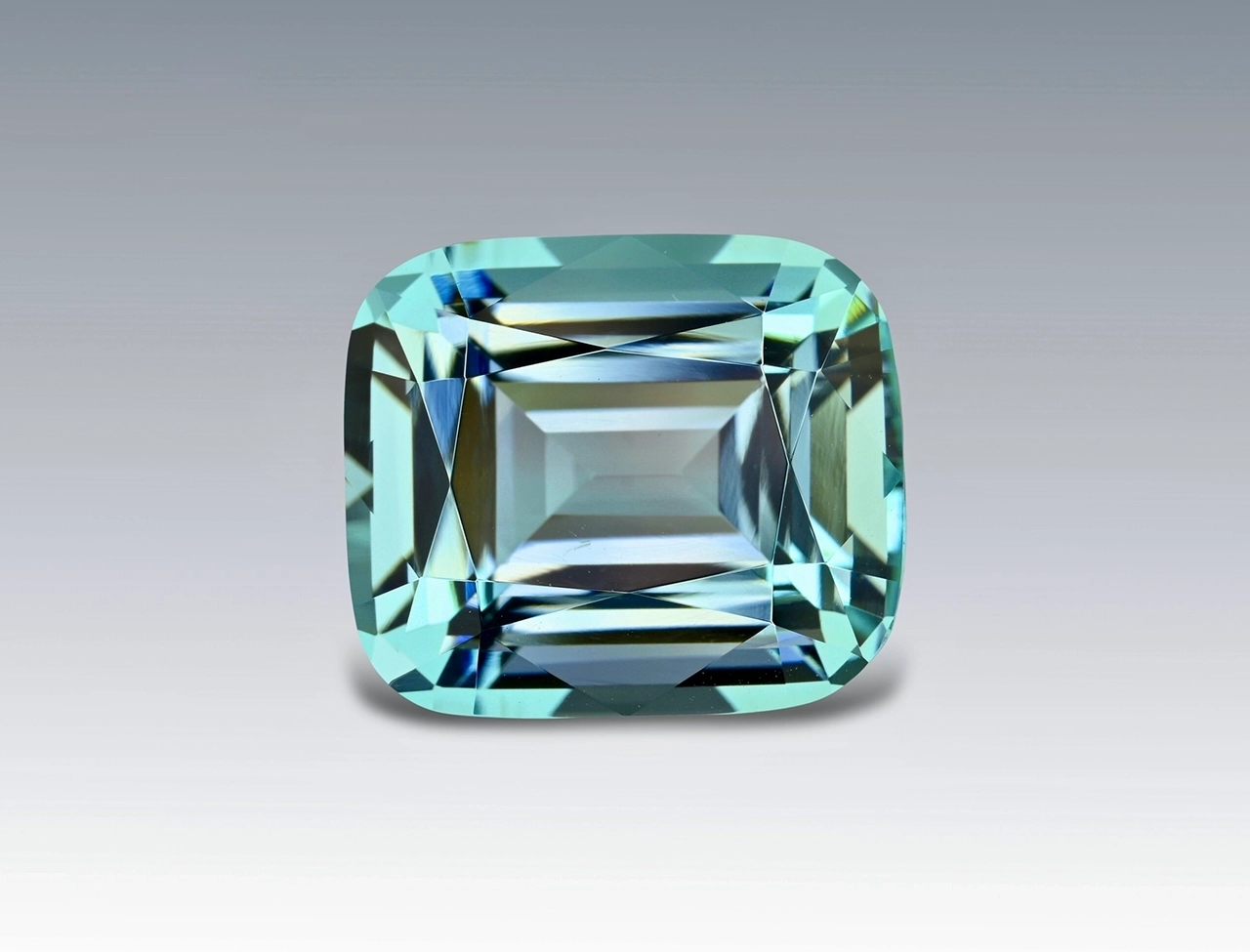
- Strong, saturated blue
- Large size without losing color
- Clean, open transparency
- Sharp, well-formed cut
That combination is not easy to find. And when it shows up, it moves.
Commercial stones? Different story. Plenty available. Prices stay stable, but they don’t jump.
So if you’re thinking investment, think selectively. Not broadly.
Buy presence. Not just material.
Collector vs Commercial Stones: Two Different Worlds
Most people don’t realize they’re looking at two completely different markets.
Commercial aquamarine:
- Light color
- Mass cut
- Designed for jewelry
- Price-driven
Collector-level aquamarine:
- Strong color
- Intentional cut
- Presence, not just size
- Emotionally engaging
The gap between the two is huge. Not just in price. In feeling.
A collector stone holds attention. You don’t just wear it. You look at it.
That’s where value lives.
What Drives Long-Term Value
Forget trends. Forget short-term hype.
Aquamarine holds value when it gets these right:
- Color that doesn’t wash out
- Size that still carries depth
- Clean structure with no visual noise
- Cut that respects the material
And one more thing people ignore.
Restraint.
Overly flashy stones age badly. Balanced stones stay relevant.
That’s why some aquamarines from decades ago still feel fresh today.
How to Care for Aquamarine Properly
It’s durable. But don’t mistake that for indestructible.
Aquamarine ranks high on hardness, but it can still chip if hit hard. Especially along edges.
Basic care keeps it looking new:
- Avoid hard knocks
- Keep it separate from harder stones like diamond
- Clean it gently
Warm water. Mild soap. Soft brush.
That’s it.
No aggressive chemicals. No unnecessary polishing.
Let the stone stay as it is.
Can Aquamarine Fade or Change Over Time?
This comes up a lot.
Natural aquamarine is stable. The color doesn’t fade under normal conditions.
Heat-treated stones? Also stable. The treatment is permanent.
The only real risk is extreme heat. Like jewelry repair gone wrong. That can affect color.
But in everyday life? You’re fine.
Famous Aquamarines That Changed the Game
Some stones go beyond jewelry. They become stories.
One of the most iconic is the Dom Pedro aquamarine. A massive crystal turned into a towering sculpture, now housed at the Smithsonian Institution.
Then there are historic Brazilian finds. Crystals so large they had to be cut into multiple gems just to be usable.
These pieces shift perception. They show what aquamarine can be at its absolute limit.
Not just a gemstone. Something closer to architecture.
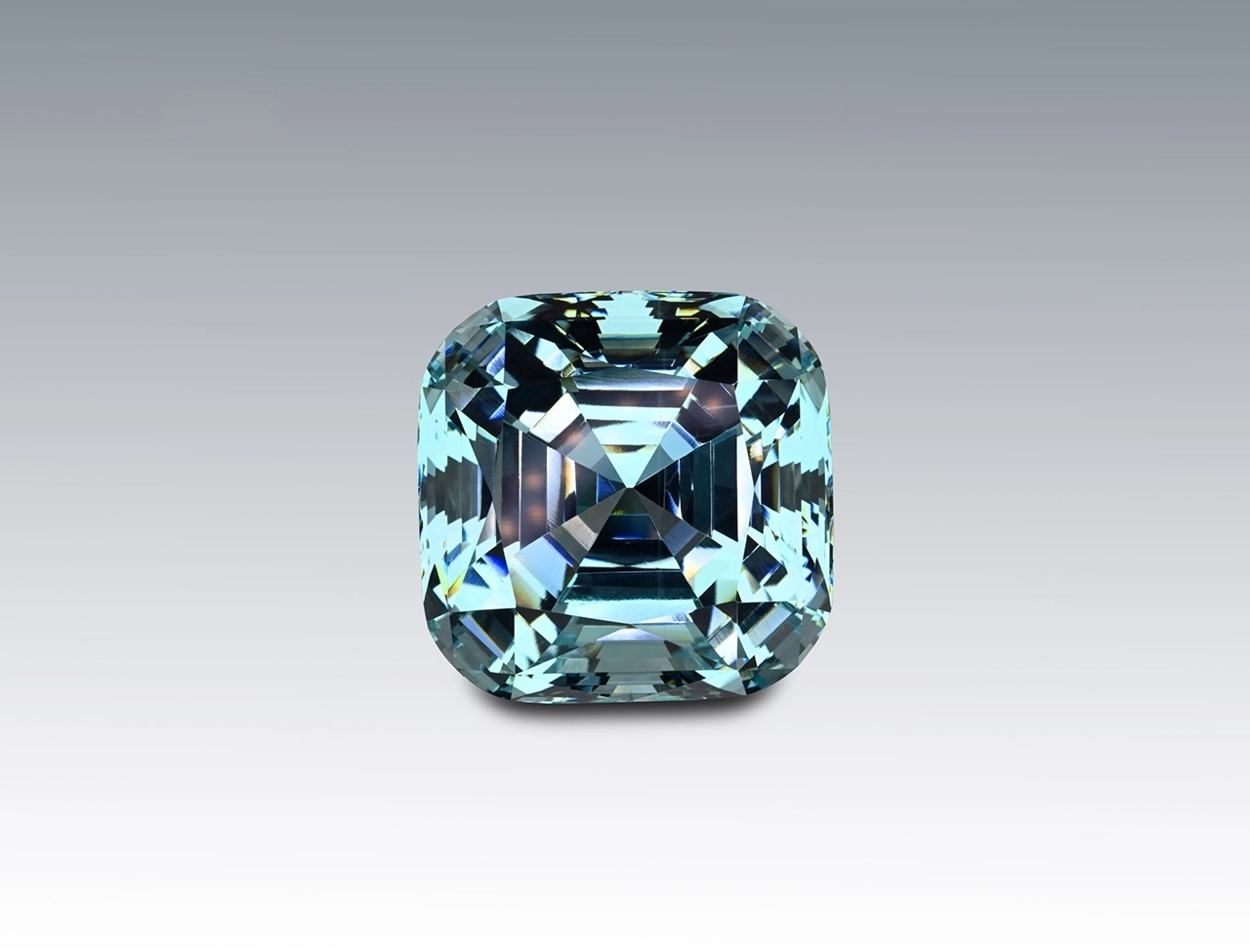
Aquamarine in Jewelry: What Actually Works
Not every stone belongs in every setting.
Aquamarine works best when it has space. Light. Room to breathe.
That’s why you often see:
- Emerald cuts
- Long rectangular shapes
- Clean, minimal settings
Heavy designs kill it. Too much metal, too much distraction… and the stone loses its voice.
Simple settings win.
Let the stone do the talking.
Common Mistakes First-Time Buyers Make
This is where most regret starts.
Mistake one. Buying based on size alone.
Big stone. Weak color. Looks impressive for a second… then fades.
Mistake two. Ignoring cut.
Flat stones with no life. Light goes in and disappears.
Mistake three. Trusting photos blindly.
Aquamarine changes under light. What you see online isn’t always what you get.
Mistake four. Chasing “perfect deals.”
If it feels too cheap for how it looks… there’s usually a reason.
Final Thoughts: Is Aquamarine Worth It?
Here’s the honest answer. Aquamarine isn’t for everyone. If you are drawn to intensity, drama, and immediate impact, there are other gemstones that deliver that more directly. Aquamarine works differently. It appeals to those who appreciate subtlety and are willing to spend time with a stone that reveals itself gradually. It is not loud or attention-seeking, and it does not try to impress at first glance. Instead, it holds a quiet presence, and that sense of balance and restraint is often what gives it lasting value over time.
Frequently Asked Questions About Aquamarine
Is aquamarine an expensive gemstone?
Aquamarine sits in a wide price range.
Lower-quality stones with very light color can be relatively affordable, often priced under $100 per carat. These are commonly used in commercial jewelry and are widely available.
However, as color deepens and size increases, the price rises sharply. Strong blue aquamarine with good saturation and high clarity can reach several hundred to thousands of dollars per carat, especially in larger sizes.
Collector-level stones, particularly those with exceptional color and presence, do not follow standard pricing. These are valued more subjectively and can command premium prices depending on rarity and appeal.
What color aquamarine is most valuable?
The most valuable aquamarine displays a strong, clean, and pure blue.
Not too pale. Not too dark. No grey or green masking the color.
Highly desirable stones often have:
Medium to medium-dark tone
Even color distribution
No visible zoning
Deep blue aquamarine is significantly rarer than light material, which is why it commands higher prices.
Is aquamarine always heat treated?
Most aquamarine on the market is heat treated.
This is done to remove greenish tones and enhance the blue color. The process is stable and permanent, and it is widely accepted in the gemstone trade.
Natural, unheated aquamarine does exist, but it often shows a slight greenish-blue tone. In rare cases where natural stones display strong blue without treatment, they may carry a premium among collectors.
How can I tell if an aquamarine is real?
Authenticating aquamarine requires proper testing, but there are practical indicators:
Real aquamarine usually has a softer, more natural blue compared to overly vivid stones
It tends to have high clarity but not an artificial or glassy “fake” look
It will feel cooler and denser than glass imitations
However, the most reliable way is through certification from a reputable gemological laboratory or purchasing from a trusted dealer.
What is the difference between aquamarine and blue topaz?
This is one of the most common confusions in the market.
Blue Topaz is often more vivid, sometimes almost electric in color, due to irradiation and treatment. It is also much more affordable.
Aquamarine, on the other hand, has a softer, more natural blue. Its value comes from its natural formation and rarity in high-quality material.
If a stone appears very bright blue at a low price, it is likely blue topaz rather than aquamarine.
Is aquamarine a durable gemstone for everyday wear?
Yes, aquamarine is considered durable.
It ranks 7.5 to 8 on the Mohs hardness scale, making it suitable for rings, necklaces, and daily-use jewelry.
However, it is not indestructible. It can chip if struck hard, especially along edges or corners. Proper setting and care are important for long-term durability.
Does aquamarine fade over time?
No, aquamarine is generally stable.
Its color does not fade under normal conditions, including exposure to sunlight.
Both natural and heat-treated aquamarine maintain their color over time. The only risk comes from extreme heat, such as during improper jewelry repair.
Is aquamarine a good choice for an engagement ring?
Aquamarine can be an excellent choice for an engagement ring, especially for those looking for something unique and understated.
It offers:
Good durability for daily wear
A clean, elegant appearance
A distinctive alternative to traditional diamonds
However, due to its lighter tone, it requires a well-chosen setting to maximize its visual impact.
Where does the best aquamarine come from?
Some of the most respected sources include:
Brazil for large, clean crystals
Pakistan for sharp, high-altitude specimens
Afghanistan for elegant, high-clarity material
Madagascar for deeper saturation
Each region produces material with slightly different characteristics in color and structure.
How much should I pay for a good aquamarine?
Pricing depends on quality factors, especially color.
General ranges:
Light color commercial stones: lower price range
Medium blue stones: mid-range pricing
Deep blue, high-quality stones: premium pricing
Instead of focusing only on price per carat, evaluate the overall presence of the stone, including how the color holds in different lighting.
Is aquamarine a good investment gemstone?
Aquamarine can hold value, but it is not a speculative or fast-moving investment.
Commercial stones tend to remain stable in price. High-quality, rare pieces may appreciate over time, especially those with strong color and large size.
Investment potential depends heavily on selection. Not all aquamarine qualifies as investment-grade.
How should I clean and store aquamarine jewelry?
Cleaning is simple:
Use warm water and mild soap
Gently clean with a soft brush
Rinse and dry with a soft cloth
For storage:
Keep it separate from harder gemstones
Avoid contact with abrasive materials
Store in a soft pouch or lined box
Avoid harsh chemicals and ultrasonic cleaners unless you are certain the stone is untreated and stable.
Why do some aquamarines look dull or lifeless?
This usually comes down to two factors:
Poor cutting, which allows light to escape instead of reflecting internally
Weak color, especially in larger stones
A well-cut aquamarine with good color will appear lively, even without intense sparkle.
What size aquamarine should I choose?
Size should always be balanced with color.
A smaller stone with strong color often looks better than a larger stone with weak saturation.
Choose a size that maintains visual impact rather than simply maximizing carat weight.
Is aquamarine rare?
Aquamarine itself is not extremely rare, especially in lighter colors.
However, high-quality aquamarine with strong blue color, large size, and excellent clarity is rare. These are the stones that stand out in the market and among collectors.