Blog
A Complete Guide to Garnet Gemstones

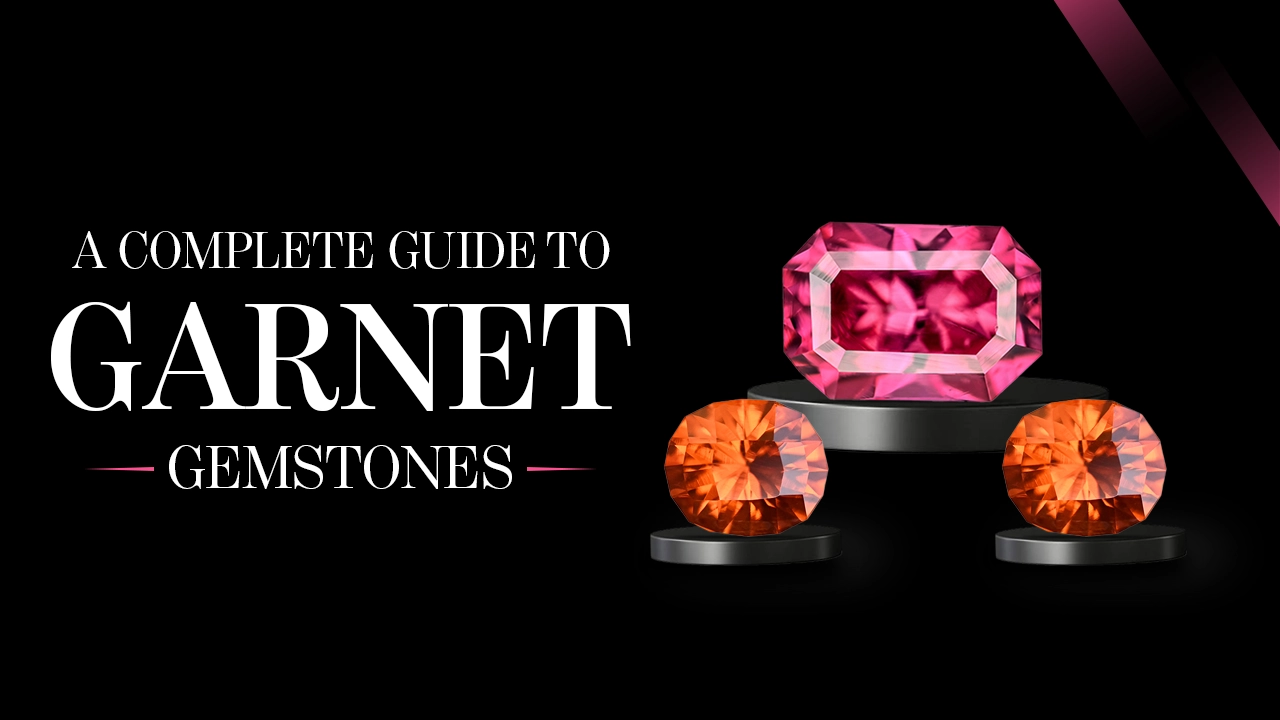
Garnet Is More Than a Red Gemstone. Most people think of garnet as a deep red gemstone.
That is the classic image: warm, rich, wine-colored, and familiar in birthstone jewelry. But garnet is much more varied than many people realize.
Garnet is not one single gemstone. It is a group of related minerals that can appear in red, orange, yellow, green, purple, brown, and even color-change varieties. This is what makes garnet so interesting for collectors and jewelry buyers.
One buyer may know garnet as the January birthstone. Another may collect bright green tsavorite, fiery orange spessartine, rare demantoid, raspberry-purple rhodolite, or warm honey-colored hessonite.
This guide looks at garnet as a complete gemstone family: what it is, the main types, the colors it comes in, what makes certain garnets valuable, and what buyers should know before choosing one.
What Is Garnet?
Garnet is a group of closely related minerals that have been used as gemstones for thousands of years.
Although people often use the word “garnet” as if it were a single stone, garnet is actually a mineral group. Different garnet species share a similar structure, but their chemistry can vary. That is why garnets can look so different from one another.
The main garnet species are almandine, pyrope, spessartine, grossular, andradite, and uvarovite. These species are behind many familiar garnet varieties, including rhodolite, tsavorite, demantoid, hessonite, and mandarin garnet.
For collectors, this variety is the real appeal. Garnet is not just one look. It is a family of colors, types, and localities.
Garnet Meaning, History, and January Birthstone
Garnet has a long history as a gemstone of protection, strength, loyalty, and friendship.
Its red varieties were especially popular in ancient jewelry, where the color was often connected with life, energy, and power. Over time, garnet also became associated with safe travel, commitment, and renewal.
Today, garnet is best known as the birthstone for January. The traditional January birthstone is deep red garnet, but buyers are not limited to red. Because garnet comes in many colors, January birthstone jewelry can also feature green tsavorite, orange spessartine, purple rhodolite, golden hessonite, or rare demantoid.
This makes garnet more flexible than many people expect. It can be classic, but it does not have to be predictable.
What Colors Does Garnet Come In?
Garnet is famous for its red color, but its color range is much wider.
Garnets can be deep red, purplish red, raspberry, orange, reddish-orange, yellow-orange, green, yellowish-green, brownish-orange, and brownish-red. Some garnets can even change color under different lighting.
Almandine and pyrope are the classic red garnets. Rhodolite is usually purplish red or raspberry-purple. Spessartine is known for orange to reddish-orange colors. Grossular includes green tsavorite and warm orange hessonite. Andradite includes demantoid, one of the most collectible green garnets.
This wide range is one of garnet’s strengths. It can be traditional, colorful, rare, or highly collectible, depending on the variety.
Why Are Most Garnets Red?
Red garnet is the most familiar because red almandine and pyrope garnets have long been widely used in jewelry.
They are attractive, durable, and often more affordable than many other colored gemstones. Because of this, red garnet became the public image of the entire garnet family.
But red is only part of the story.
The color of a garnet depends on its chemical composition. Different elements create different colors, which is why one garnet can be deep red, another bright orange, another vivid green, and another purple-red.
Collectors usually look beyond the word “garnet” and ask which type of garnet it is. The variety matters because it affects color, rarity, value, locality, and collector interest.
The Main Types of Garnet Gemstones
Almandine Garnet
Almandine is one of the most common garnet species. It is usually red, purplish red, or brownish red, and is often the type people imagine when they think of traditional garnet jewelry.
Pyrope Garnet
Pyrope is another classic red garnet. It can show rich red to purplish-red tones and is closely connected with traditional garnet jewelry.
Spessartine Garnet
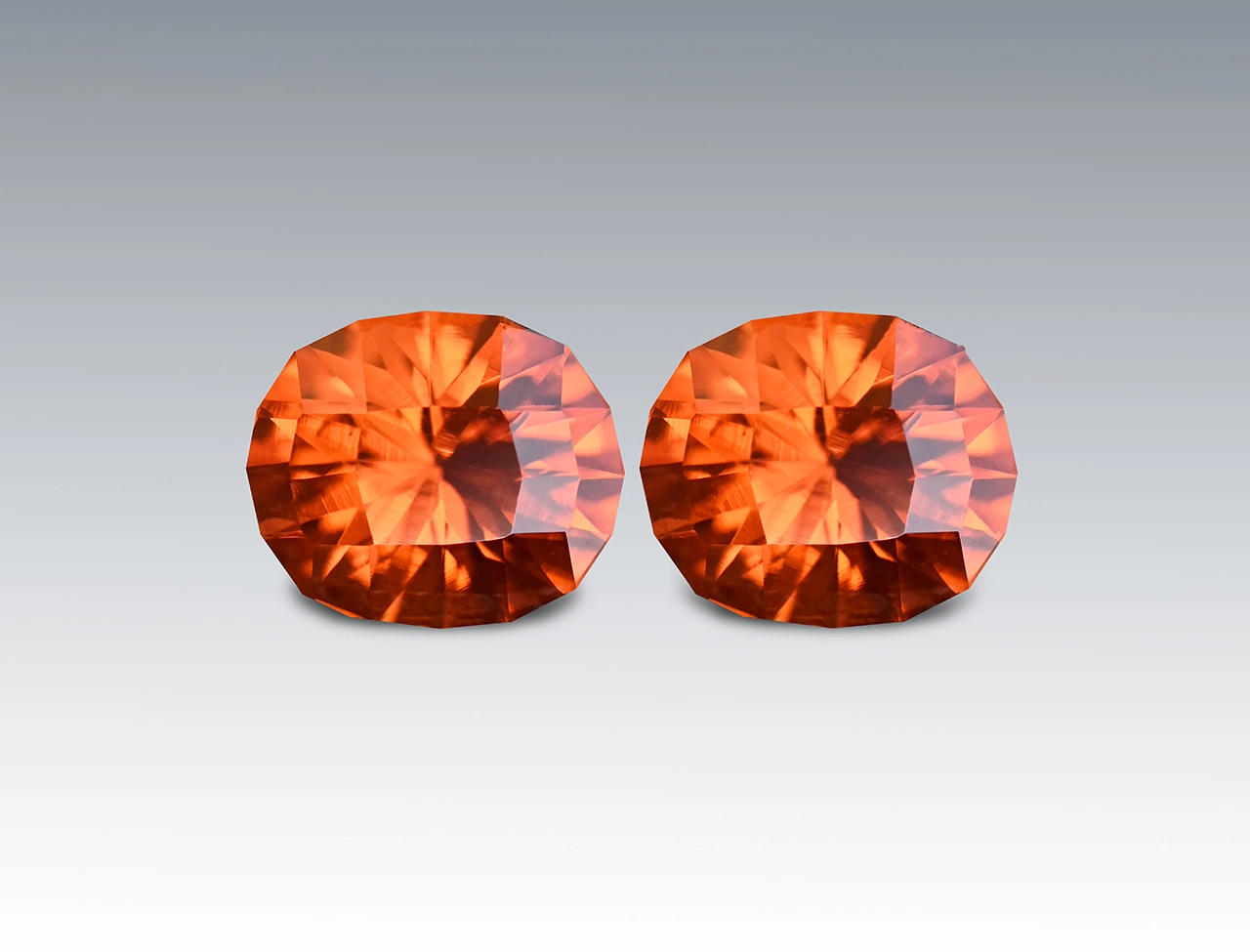
Spessartine is known for its orange to reddish-orange color. Fine examples can be bright and lively, with mandarin garnet among the most popular orange varieties.
Grossular Garnet
Grossular is a very versatile garnet species. It includes green tsavorite and orange-to-brownish-orange hessonite, two important varieties for buyers and collectors.
Andradite Garnet
Andradite includes demantoid, one of the most valuable and collectible garnets. Fine demantoid is known for its green color, brilliance, and rarity.
Uvarovite Garnet
Uvarovite is a green garnet that usually forms as small crystal clusters. It is more often appreciated as a mineral specimen than as a faceted gemstone.
Popular Garnet Varieties Buyers and Collectors Should Know
Garnet becomes much more interesting once you move beyond the word “garnet” and start looking at individual varieties.
Some garnets are loved for their rich red color. Others are collected for their rare green, orange, purple, or color-change effects. The variety matters because it affects beauty, rarity, value, and the type of buyer it attracts.
Rhodolite Garnet
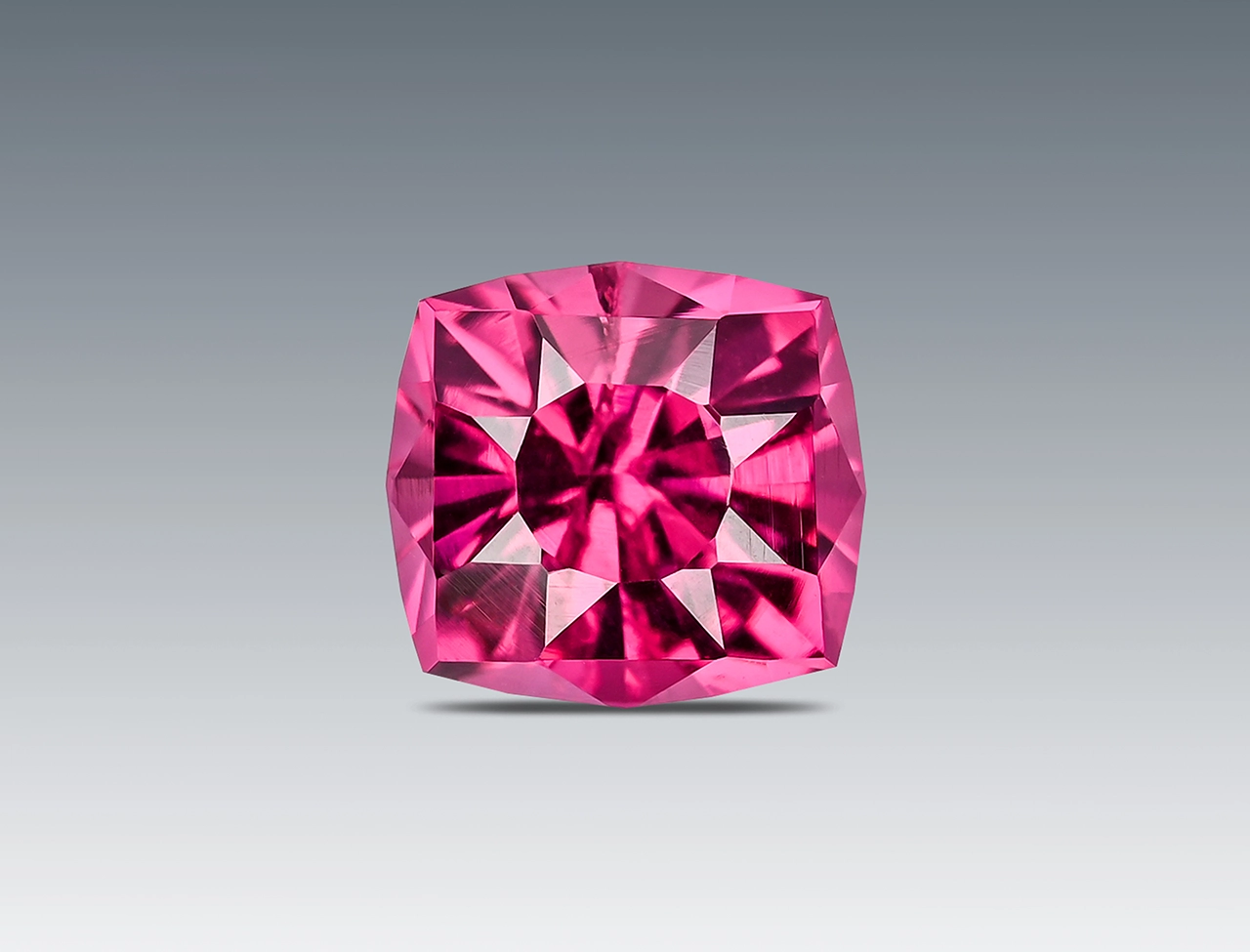
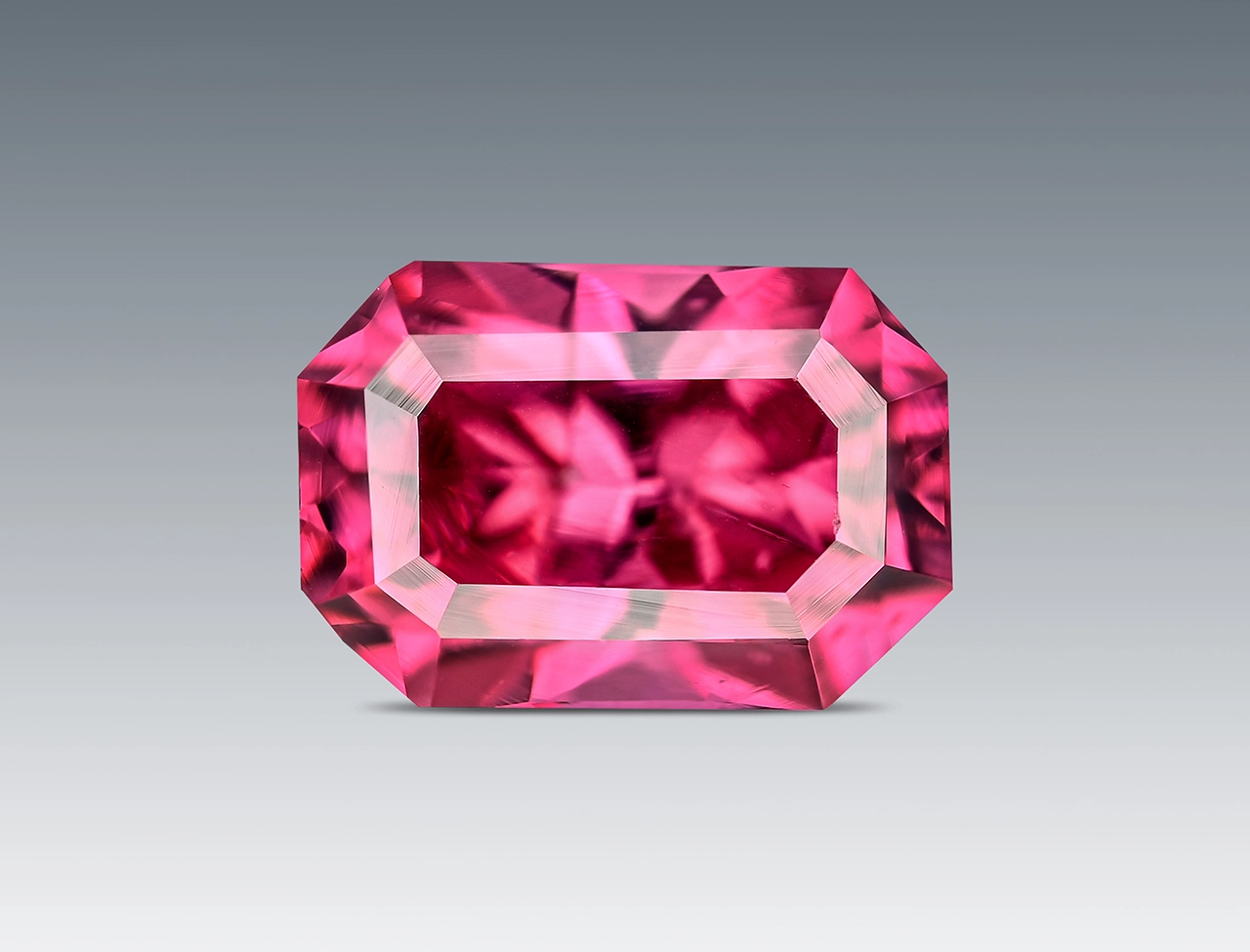
Rhodolite is one of the most popular garnet varieties. It usually shows a raspberry, purplish-red, or pinkish-purple color, often brighter and softer than traditional dark red garnet.
Good rhodolite can be very attractive in jewelry because it has a lively color without looking too dark. It is also a strong choice for buyers who want a garnet that feels classic, but not ordinary.
Tsavorite Garnet
Tsavorite is the vivid green variety of grossular garnet.
It is one of the most valuable and desirable garnets, especially when the color is rich, bright, and well-saturated. Fine tsavorite can appeal to buyers who love emerald-like green color but want a gemstone with a different character. Tsavorite is strongly associated with East Africa, especially Kenya and Tanzania.
Demantoid Garnet
Demantoid is one of the most collectible garnets.
It belongs to the andradite species and is known for its green color, brilliance, and strong fire. Fine demantoid can be rare and valuable, especially when it has good color, strong dispersion, and important locality.
Russian demantoid is especially famous, and some examples contain distinctive “horsetail” inclusions, which can add collector interest rather than reduce it.
Hessonite Garnet
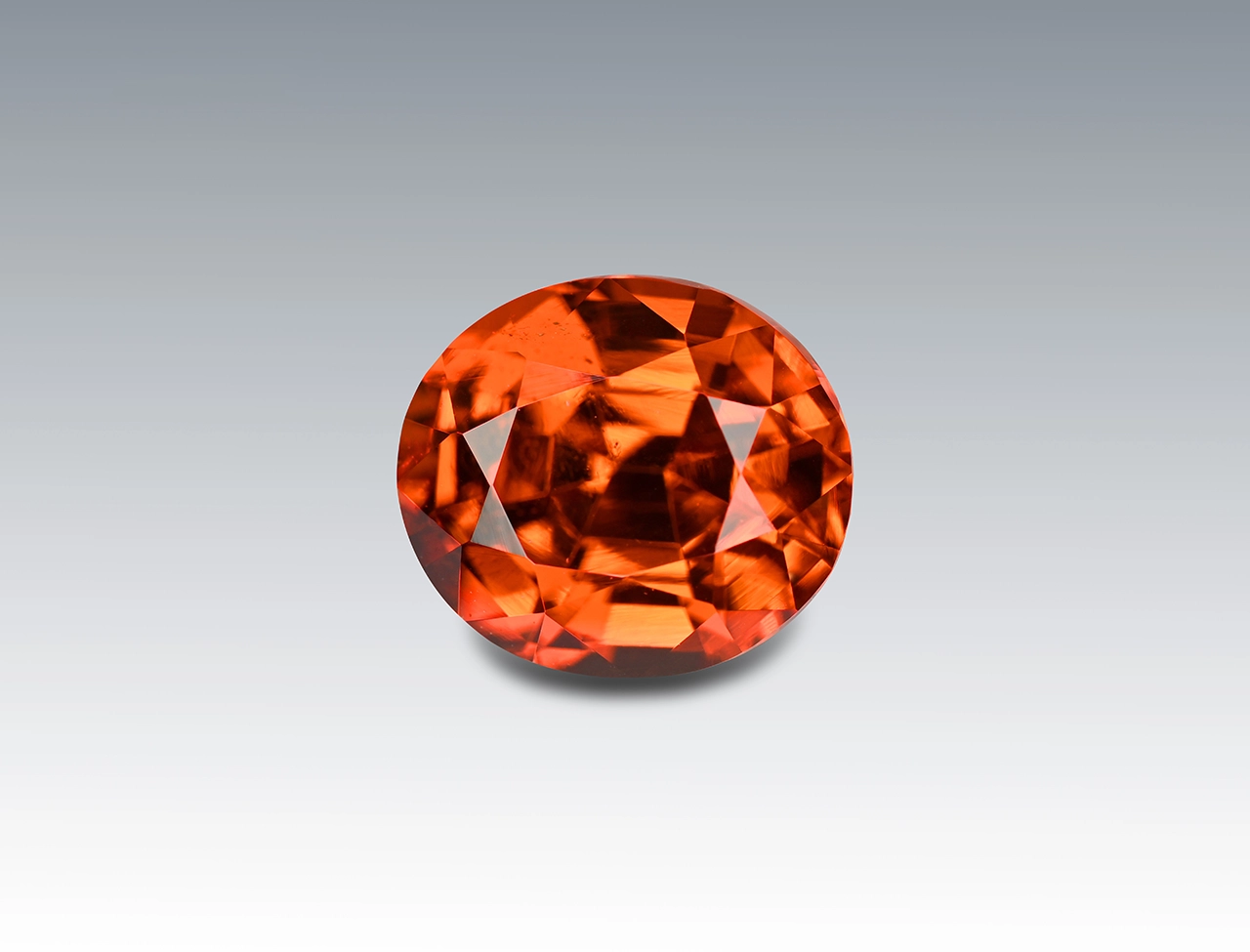
Hessonite is the orange-to-brownish-orange variety of grossular garnet.
It is often described as having a warm, honey-like, cinnamon-like, or amber-like appearance. Hessonite may not always have the sharp brightness of tsavorite or demantoid, but it has a soft, rich character that many collectors and jewelry buyers appreciate.
Mandarin Garnet
Mandarin garnet is a trade name often used for vivid orange spessartine garnet.
The best examples have a bright, pure orange color and a strong sense of life. Mandarin garnet is especially attractive for buyers who want something bold, warm, and different from traditional red garnet.
Fine orange spessartine from Namibia and other sources helped make this variety more widely known in the gem market.
Color-Change Garnet
Color-change garnet is one of the most unusual garnet varieties.
These garnets can appear different under daylight and incandescent light. Some may shift from greenish, bluish, or grayish tones to purplish or reddish tones, depending on the stone and lighting.
For collectors, color-change garnet is interesting because it adds another layer of rarity and surprise.
Star Garnet
Star garnet exhibits a star-like optical effect, called asterism, when cut properly as a cabochon.
It is not as common in fine jewelry as faceted garnet, but it has strong collector interest. Star garnets are especially associated with Idaho in the United States.
Garnet Quality Factors: What Makes a Garnet Valuable?
Garnet value depends on the variety and the quality of the individual stone.
- Color is usually the most important factor. Each garnet variety has its own ideal color range. Rhodolite is valued for its raspberry and purplish-red tones. Tsavorite is valued for its vivid green. Spessartine is valued for its bright orange. Demantoid is valued for its green color, brilliance, and fire.
- Clarity also matters. Many garnets are naturally included, but fine gems should still look
attractive to the eye. In some cases, inclusions can reduce value. In others, they can add identity. Demantoid’s famous horsetail inclusions are one example where inclusions may increase collector interest.
- Cut is important because it affects brightness and color. A well-cut garnet should not look too dark, flat, or lifeless. Dark red garnets especially need careful cutting so they do not appear overly black.
- Carat weight also affects value, but size alone is not enough. A smaller garnet with better color and brightness can be more valuable than a larger stone with weak color or poor cutting.
- Origin can add interest when the locality is known and respected. Russian demantoid, East African tsavorite, Namibian spessartine, Bohemian pyrope, and Sri Lankan hessonite all car ry their own collector associations.
Garnet Color Quality
Color is the first thing most people notice in garnet.
For red garnets, the best stones usually have rich color without becoming too dark. A stone that looks black in normal light may lose much of its beauty, even if it is technically red.
For rhodolite, attractive stones usually show a raspberry, purplish-red, or pinkish-purple color. The best examples feel lively and open, not too brown or too dark.
For spessartine, the most desirable stones usually have a bright orange to reddish-orange color. Brownish tones can lower value unless the stone has strong brightness or an attractive, warm appearance.
For tsavorite and demantoid, green is the key. Fine stones should have strong color, good
brightness, and enough life to hold the eye. Demantoid is also valued for fire, while tsavorite is often admired for its rich green body color.
Garnet Clarity and Inclusions
Clarity expectations depend on the type of garnet.
Many red garnets, rhodolites, and spessartines can be relatively clean to the eye. Visible inclusions may reduce value if they affect beauty or durability.
Demantoid is different. Some Russian demantoids contain horsetail inclusions, which are highly recognized by collectors. In this case, the right kind of inclusion can become part of the stone’s
identity.
For buyers, the important question is simple: Does the inclusion affect the stone’s appearance, strength, or value? If the gem still looks beautiful and the inclusion does not create durability concerns, it may still be a strong choice.
Garnet Cut, Shape, and Carat Weight
A good cut helps garnet show its best color.
Dark red garnets can look too deep or black if they are cut poorly. Brighter varieties such as rhodolite, spessartine, and tsavorite also need careful cutting to bring out brilliance and balance.
Common garnet cuts include oval, cushion, round, emerald cut, pear, trillion, and cabochon. Star garnets are usually cut as cabochons to show the star effect.
Carat weight matters, but it should be judged together with quality. Larger garnets are not
automatically better. A smaller, well-cut gem with vivid color can be more desirable than a larger stone that looks dark, dull, or poorly proportioned.
Major Garnet Producing Countries and Localities
Garnet is found in many parts of the world, and locality can matter to both collectors and serious jewelry buyers.
India and Sri Lanka are long-standing sources of garnet, including red garnet, hessonite, and other varieties. Sri Lanka is especially known for hessonite and other gem materials.
Tanzania and Kenya are especially important for green garnets. Tsavorite was first found in Tanzania and later became strongly associated with Kenya, especially the Tsavo region.
Madagascar is known for a wide range of garnets, including color-change garnet, demantoid, hessonite, and other gem varieties.
Namibia is famous for bright orange spessartine, including material often associated with mandarin garnet. Nigeria and Mozambique have also produced important garnets, including spessartine and other gem-quality varieties.
Brazil is a known source of several garnet types, while the United States has important garnet localities in Idaho, Arizona, New York, California, and Maine. Idaho is especially known for star garnet.
Russia is one of the classic sources for demantoid garnet, especially from the Ural Mountains. Russian demantoid is highly respected among collectors, particularly when it has a strong green color and horsetail inclusions.
Pakistan and Afghanistan also produce garnets in several mineral-rich regions, including areas connected with the Himalaya and pegmatite or metamorphic environments. For collectors, these localities can be interesting when specimens have good crystal form, color, and provenance.
Italy, the Czech Republic, Canada, and Australia are also part of the broader garnet story. Bohemian pyrope from the Czech Republic is historically important, while Canada and Australia are known for both gem and industrial garnet occurrences.
Famous Garnet Localities by Variety
Different garnet varieties are connected with different parts of the world.
Rhodolite is commonly associated with East Africa, Sri Lanka, and other gem-producing regions. Tsavorite is strongly connected with Kenya and Tanzania.
Demantoid is classically associated with Russia, especially the Ural Mountains, though Madagascar, Namibia, and other sources have also produced demantoid.
Spessartine is known from Namibia, Nigeria, Mozambique, Brazil, and other localities. Hessonite is strongly associated with Sri Lanka, India, and Tanzania.
Pyrope garnet is historically important from Bohemia in the Czech Republic. Star garnet is strongly associated with Idaho in the United States.
For collectors, these locality names add context. They help explain the history, rarity, and character of the stone or specimen.
How Much Is Garnet Worth?
Garnet value can vary widely depending on the variety.
Common red garnets are often affordable, while fine tsavorite, demantoid, mandarin spessartine, and color-change garnet can be much more valuable. This is why garnet should not be judged by na me alone.
The main value factors are color, clarity, cut, carat weight, origin, and rarity. A smaller garnet with vivid color and good brilliance can be more desirable than a larger stone that looks too dark or poorly cut.
For collectors, locality can also add interest. Russian demantoid, East African tsavorite, Namibian spessartine, Bohemian pyrope, and Sri Lankan hessonite all carry strong collector associations.
Why Some Garnets Are More Expensive Than Others
Some garnets are more expensive because they are rarer, brighter, cleaner, or more desirable in the market.
Tsavorite is valuable because fine green material is rare, especially in larger sizes. Demantoid is prized for its brilliance, rarity, and collector history. Mandarin spessartine is valued for its vivid orange color, while color-change garnet is desirable because of its unusual optical effect.
In simple terms, garnet becomes more valuable when beauty, rarity, quality, and demand come together.
Garnet vs. Ruby, Spinel, and Tourmaline
Garnet is often compared with ruby, spinel, and tourmaline because these gems can share similar colors.
Ruby is the red variety of corundum and is harder and generally more valuable than red garnet. Spinel can also appear red, pink, purple, or gray, but it is a separate gemstone with its own identity.
Tourmaline, like garnet, comes in many colors, but it often shows stronger color zoning and a different crystal character.
Garnet should not be treated as a substitute without its own value. It has its own strengths: a variety of colors, history, affordability in some types, and rarity in others.
Natural Garnet vs. Treated Garnet
Many garnets are not commonly treated, which is one reason buyers appreciate them.
Still, treatment disclosure matters. For higher-value garnets, buyers should ask whether the stone is natural, treated, or accompanied by a gemological report. Honest identification is especially important for rare varieties such as demantoid, tsavorite, mandarin spessartine, and color-change garnet.
How to Identify a Real Garnet
Identifying garnet by eye alone can be difficult.
A red garnet may resemble ruby, spinel, or glass. A green garnet may be confused with emerald, chrome diopside, peridot, or green tourmaline. Proper gemological testing may be needed to co nfirm identity.
For valuable stones, it is best to buy from trusted dealers or request a reputable gemological report.
Common Garnet Buying Mistakes
One common mistake is assuming all garnets are the same.
A dark red almandine and a vivid green tsavorite are both garnets, but they differ markedly in rarity, price, and collector appeal.
Another mistake is buying only by size. A large garnet is not always better. Color, cut, brightness, clarity, and overall beauty matter more than size alone.
Buyers should also consider durability, especially for rings. Garnet can be used in jewelry, but it should still be worn with care.
Best Garnet Gemstones for Jewelry
Garnet works well in many types of jewelry.
Red garnet, rhodolite, and spessartine are popular for rings, earrings, pendants, and bracelets. Tsavorite and demantoid are excellent choices for fine jewelry, especially when the color is strong and the stone is well cut.
For something more unusual, buyers may choose hessonite, mandarin garnet, color-change garnet, or star garnet.
The right setting matters. Rings should offer more protection, while earrings and pendants are usually safer for more delicate stones.
Garnet Durability, Hardness, and Care
Most garnets range from about 6.5 to 7.5 on the Mohs hardness scale.
This makes garnet suitable for many jewelry designs, but it is not as hard as sapphire, ruby, or diamond. Rings should be protected from hard knocks, rough surfaces, and heavy daily wear.
To clean a garnet, use warm water, mild soap, and a soft brush. Avoid harsh chemicals, strong heat, and rough handling. Store garnet separately from harder gemstones to prevent scratching.
Garnet for Collectors vs. Jewelry Buyers
Jewelry buyers usually focus on beauty, color, cut, wearability, and price.
Collectors often look deeper. They may care about variety, species, locality, inclusions, rarity, crystal form, and historical importance. A collector may value Russian demantoid, Bohemian pyrope, Namibian spessartine, or East African tsavorite because of both beauty and origin.
The best garnet depends on the purpose. For jewelry, choose beauty and durability. For collecting, look for identity, rarity, quality, and provenance.
Final Thoughts: Why Garnet Belongs in Every Gem Collection
Garnet is one of the most underrated gemstone families.
Most people know it as a red birthstone, but the full garnet family is much richer. It includes green tsavorite, brilliant demantoid, orange spessartine, raspberry rhodolite, warm hessonite, color-change garnet, star garnet, and more.
That range is what makes garnet special.
It can be classic or unusual, affordable or rare, simple or highly collectible. A good garnet is not just a red stone. It is part of a diverse family of gemstones, with color, history, locality, and character.
Frequently Asked Questions About Garnet Gemstones
What is garnet?
Garnet is a group of related minerals used as gemstones. Although many people think of garnet as red, it can also be orange, green, purple, yellow, brown, and color-change.
Is garnet only red?
No. Red is the most familiar garnet color, but garnet also occurs in green tsavorite, orange spessartine, purple rhodolite, golden hessonite, and rare color-change varieties.
What is the most valuable garnet?
Some of the most valuable garnets include fine tsavorite, demantoid, mandarin spessartine, and color-change garnet. Value depends on color, clarity, cut, size, rarity, and origin.
Is garnet a birthstone?
Yes. Garnet is the traditional birthstone for January. Red garnet is the classic choice, but other garnet colors can also be used for January birthstone jewelry.
Is garnet good for daily wear?
Garnet can be worn regularly with care, especially in earrings and pendants. For rings, it should be protected from hard impact because it is not as hard as sapphire, ruby, or diamond.
What is rhodolite garnet?
Rhodolite is a popular garnet variety known for its raspberry, purplish-red, or pinkish-purple color.
What is tsavorite garnet?
Tsavorite is the vivid green variety of grossular garnet and is one of the most valuable garnets.
What is demantoid garnet?
Demantoid is a green variety of andradite garnet known for brilliance, rarity, and strong collector appeal.
What is spessartine garnet?
Spessartine is an orange-to-reddish-orange garnet. Fine, vivid orange material is often called mandarin garnet.
How do you clean garnet?
Clean the garnet with warm water, mild soap, and a soft brush. Avoid harsh chemicals, strong heat, and rough handling.
Where is garnet found?
Garnet is found in many countries, including India, Sri Lanka, Tanzania, Kenya, Madagascar, Namibia, Nigeria, Mozambique, Brazil, the United States, Russia, Pakistan, Afghanistan, Italy, the Czech Republic, Canada, and Australia.
Is garnet a good gemstone to collect?
Yes. Garnet is excellent for collectors because it offers many colors, species, varieties, localities, and price levels.